
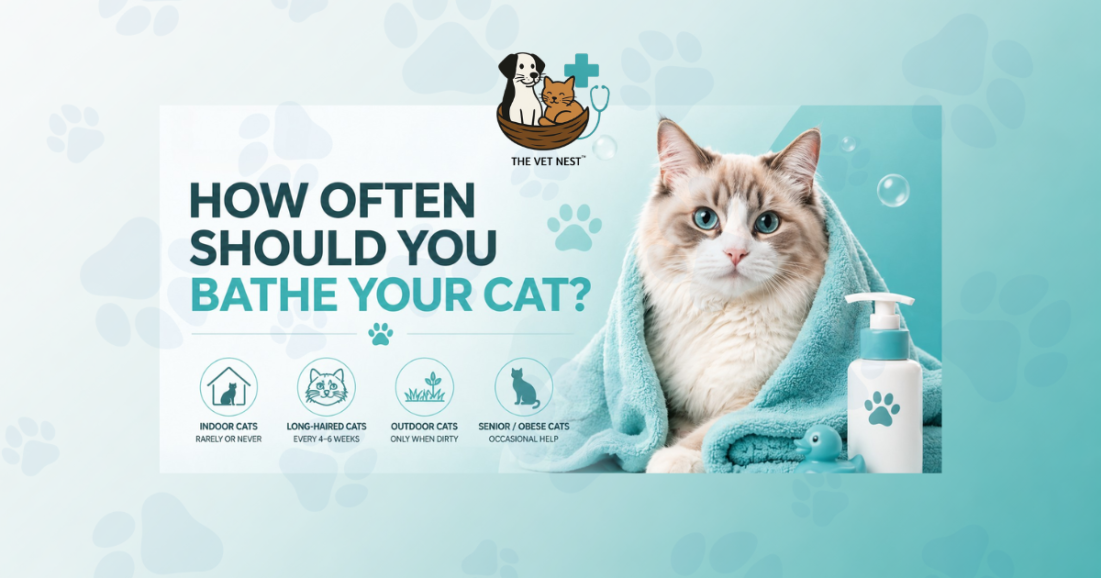
Cats are naturally clean animals and spend a significant part of their day grooming themselves. Because of this, most cats do not need regular baths. However, many pet parents still wonder: Should I bathe my cat at all?
The truth is—over-bathing can actually harm your cat’s skin and coat. It strips away natural oils, causes dryness, and can even lead to skin irritation or stress. Understanding when (and when not) to bathe your cat is key to maintaining their overall health.
🐾 How Often Should You Bathe a Cat?
The frequency of bathing depends on your cat’s lifestyle, coat type, and health condition. Here’s a simple breakdown:
🏠 Indoor Cats: Rarely or Never
Indoor cats typically do not require baths. Since they live in a relatively clean environment, their natural grooming habits are enough to maintain hygiene.
Regular brushing is usually sufficient to remove loose fur, dirt, and dander. Bathing should only be considered if your cat gets into something sticky or harmful.
🐾 Long-Haired Cats: Every 4–6 Weeks (If Needed)
Long-haired cats may occasionally benefit from bathing, especially if their coat becomes greasy or matted.
Breeds with dense fur can trap dirt and debris more easily. If brushing alone is not enough, a bath every 4–6 weeks can help—but only when necessary, not as a routine.
🌿 Outdoor Cats: Only When Dirty
Cats that go outdoors are more likely to encounter dirt, mud, or harmful substances.
In such cases, a bath may be required—but only when your cat is visibly dirty. Avoid frequent bathing, as it can disrupt the natural balance of their skin.
❤️ Senior or Overweight Cats: Occasional Assistance
Older or overweight cats may have difficulty grooming themselves due to reduced mobility.
They may need occasional help with hygiene, especially in hard-to-reach areas. Gentle cleaning or occasional bathing can help maintain comfort and prevent infections.
🛁 Is It Bad to Bathe Your Cat Too Often?
Yes. Frequent bathing can:
- Strip natural oils from the skin
- Cause dryness and flakiness
- Increase stress and anxiety
- Lead to coat damage over time
Cats rely on their natural oils to keep their coat healthy and shiny. Removing these too often can do more harm than good.
✅ Safe Cat Bathing Tips
If your cat does need a bath, follow these essential tips:
- Use only cat-specific shampoos
Human or dog shampoos can irritate your cat’s skin. - Keep baths minimal and gentle
Use lukewarm water and avoid getting water into ears or eyes. - Brush regularly instead of frequent bathing
Brushing helps maintain coat health and reduces shedding. - Use pet wipes or dry shampoo for quick cleaning
These are great alternatives for minor dirt or odour.
🩺 Vet Tip: When Are Medicated Baths Needed?
In certain medical conditions, bathing becomes part of treatment.
Medicated baths may be recommended for:
- Fungal infections
- Skin allergies
- Dermatitis or parasitic infections
These should always be done under veterinary guidance. Incorrect use of medicated products can worsen the condition instead of improving it.
📌 Final Thoughts
Most cats do not need frequent baths. Their natural grooming behavior is usually enough to keep them clean and healthy.
Instead of focusing on bathing, prioritize:
- Regular brushing
- A clean living environment
- Monitoring skin and coat health
Only bathe your cat when truly necessary.
🐾 Not Sure What’s Right for Your Cat?
Every cat is different, and their grooming needs can vary.
Book your home visit now 🐾🏡
Get stress-free vet care at your doorstep and personalized advice tailored to your cat’s needs.
Leave a Reply